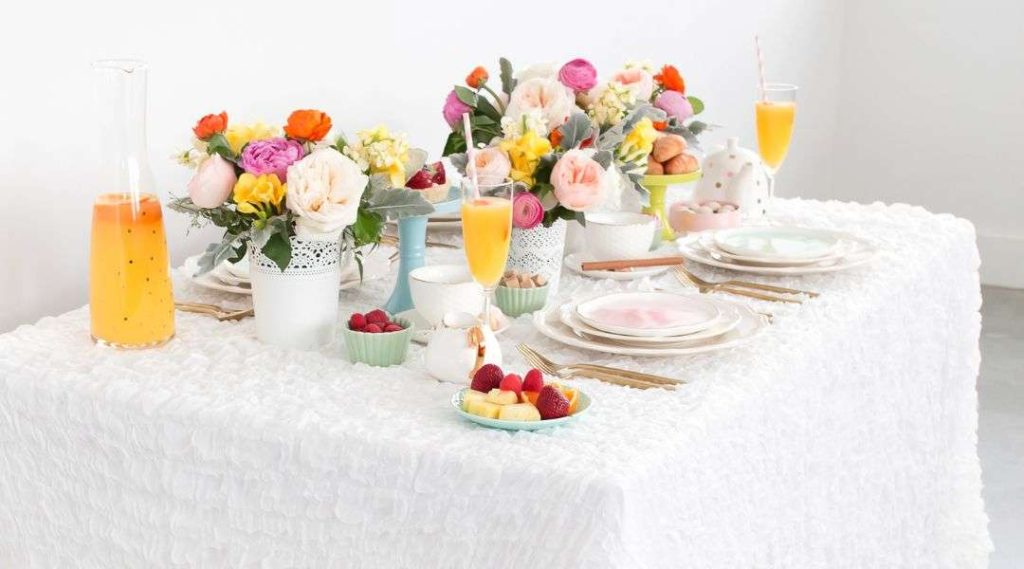
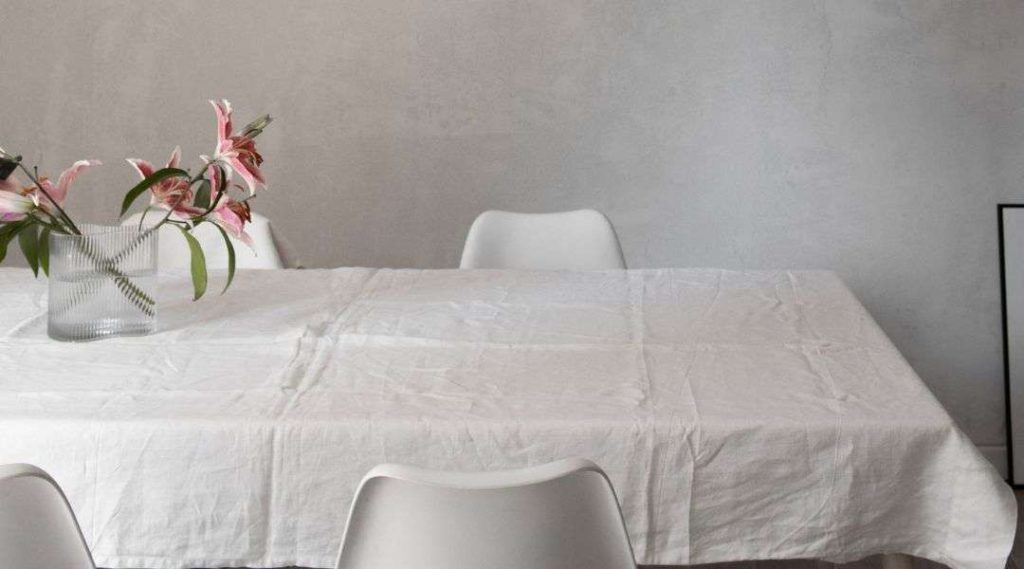
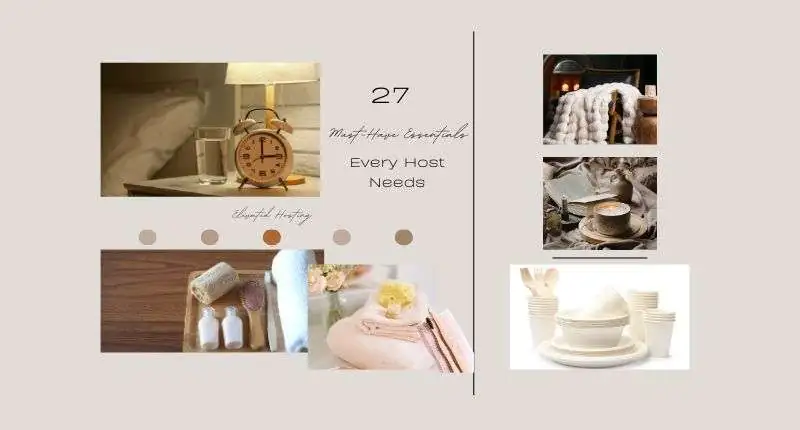
Hosting at home can feel more personal than going out. It is often more comfortable, more meaningful, and sometimes even less expensive. But it is rarely as simple as just buying food and inviting people over.
There are the obvious costs like groceries, drinks, and supplies. Then there are the hidden ones: extra shopping trips, last minute decisions, and the time spent trying to make everything feel finished. For many hosts, that second category is what creates the most stress.
This post breaks down the real cost of hosting at home and explains where a simple styling plan, whether done personally or with help from a styling expert, can save the most time.
The Obvious Costs: Food, Drinks, and Supplies
These are the items most people expect to budget for when planning a gathering.
Typical hosting expenses include:
- food and ingredients
- beverages and ice
- dessert or a bakery item
- paper goods or disposable items, if using them
- flowers or a centerpiece element
- extras like specialty mixers, garnishes, or appetizer board items
These are easy to identify because they are part of almost every event. The surprise is usually not one large expense. It is the smaller add-ons that build quietly: another bag of ice, one more bottle of something, a missing serving spoon, an extra snack, or candles picked up on the way home.
The Hidden Costs: Time, Energy, and Decision Fatigue
This is where hosting starts to feel heavier than expected.
Common hidden costs include:
- making multiple shopping trips because the list keeps changing
- spending too much time looking for inspiration
- second guessing colors, serving pieces, or table details
- cleaning and resetting spaces
- moving furniture or rearranging the room
- styling the table, then changing it again
- running out at the last minute for ice, napkins, candles, or trays
For many people, the biggest cost of hosting is not money. It is time, especially in the final 24 to 48 hours when everything starts to feel urgent.
That is often where styling becomes more important than people realize. A clear styling plan does not just make a gathering look nice. It helps reduce decisions.
The Detail Drift That Adds Up
Create the Menu: Light, Fresh & Festive
Keep it One of the easiest ways hosting gets more expensive is through what could be called detail drift. That is when the setup feels close, but not quite right, so more items get added in an attempt to finish the look.
It can sound like this:
- the napkins do not work, so a new set gets ordered
- the centerpiece feels flat, so more décor gets added
- the serving pieces do not feel cohesive, so a new tray is purchased
- the table looks unfinished, so candles and holders get added too
None of these choices are necessarily wrong. The problem is that they usually happen late, without a clear plan, and that is when spending starts to climb.
Where a Styling Plan Saves the Most Time
A styling plan helps most in three specific areas.
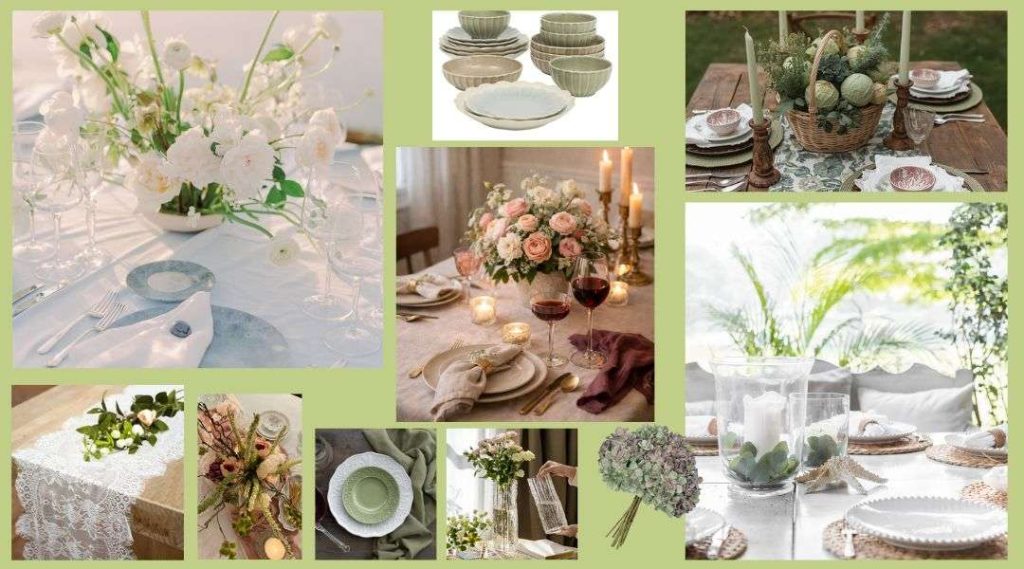
1. Clear Visual Direction
Instead of piecing things together as you go, there is a simple direction for the overall look.
That might include:
- a color palette
- a few key textures
- the main focal point
- what matters most visually and what does not
This helps prevent overbuying and makes it easier to use what is already available at home.
A styling expert can be helpful here because they can make these decisions quickly and create a cohesive look without the back and forth. For someone who prefers to DIY, the easiest approach is to choose one color story and one main focal point before buying anything else.
2. Layout and Flow
A gathering feels easier when the space is arranged with intention.
That means thinking through:
- where drinks should go
- where food or snacks should be placed
- where people are likely to gather
- what should stay within reach
- what can stay simple in the background
This part is often overlooked, but it makes a major difference. A beautiful setup that does not function well can still feel stressful. Good styling is not just about appearance. It is also about making the space work.
A styling expert often sees this quickly because they are looking at both the visual setup and the guest experience. For a DIY version, walk through the room before the event and imagine where guests will stand, set down a drink, or reach for food.
3. A Finished Look Without Buying More
Styling is not always about adding more. Very often, it is about editing better.
A finished setup can come from:
- one strong centerpiece instead of several small scattered items
- one consistent linen or runner to anchor the table
- grouped serving pieces that feel intentional together
- repeated candlelight in a simple pattern
This is one of the biggest places time and money can be saved. A thoughtful setup often looks better than a crowded one.
A Realistic Hosting Example for Six Guests
For a small gathering of six, most people plan for:
- food and ingredients
- drinks, mixers, and ice
- one dessert or sweet option
- a few table or serving extras
What often gets missed is:
- a second or third store run
- replacement items when the first choice does not work
- extra décor purchased to complete the look
- time spent adjusting everything the day of the gathering
If the schedule is tight, the biggest stress point is usually not the menu. It is the setup. It is trying to make the table feel cohesive, the room feel ready, and the gathering feel welcoming without scrambling at the last minute.
That is exactly where either a styling expert or a simple DIY plan can help most.
How to Spend Smarter Without Losing What Makes It Special
If the goal is to keep hosting costs reasonable, it helps to choose a few things that matter most and let those carry the look.
Spend on:
- one signature drink or beverage option
- one hero detail such as linen, glassware, or a centerpiece
- one strong food moment like a snack board or dessert stand
Cut back on:
- too many small décor items
- competing ideas or multiple themes
- last minute purchases that do not really improve the experience
A gathering does not need a lot of extras to feel thoughtful. It usually just needs a clear point of view.
Closing Thought
Hosting at home can absolutely be worth the effort. But it should not feel like a week-long project.
A simple styling plan can save time, reduce stress, and help the gathering feel more complete. Sometimes that means hiring a styling expert to bring direction and efficiency. Sometimes it means taking a more focused DIY approach and working with fewer, better choices.
Either way, the goal is the same: create a space that feels welcoming, intentional, and ready to enjoy without exhausting the host in the process.