Picture this: You walk into a room where the warm glow of Christmas lights illuminates an unexpected palette. Instead of traditional red and green, you’re greeted by the serene sophistication of blue and white porcelain patterns dancing across a beautifully decorated tree. Crystal icicles catch the light, blue velvet ribbons cascade through frosted branches, and elegant ginger jar ornaments tell a story that’s centuries old yet perfectly fresh.
In my years of designing trees and watching our amazing volunteer designers for our nonprofit’s Festival of Trees fundraiser, I’ve learned something important: the most memorable holiday displays are the ones that surprise us while still feeling warmly familiar. Breaking from traditional Christmas colors doesn’t mean abandoning the magic of the season. Sometimes, it means discovering it all over again.
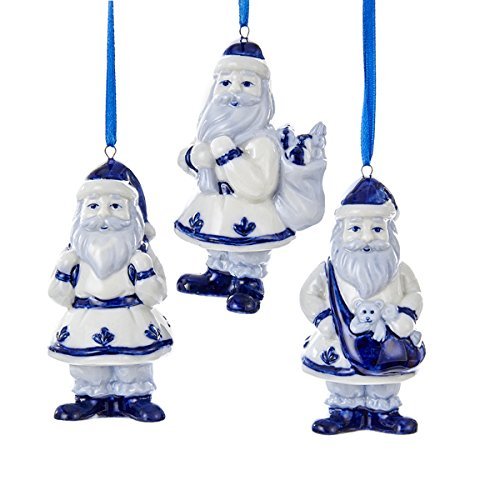
Today, I’m sharing how to incorporate the timeless beauty of Chinoiserie blue and white patterns into your Christmas decor. Whether you’re completely redesigning your holiday look or simply adding a few elegant touches, this approach creates an atmosphere that’s both sophisticated and wonderfully welcoming. I absolutely love these assorted ginger jar ornaments.
The Rich History Behind Blue and White Chinoiserie
Before we dive into decorating, let’s talk about what makes Chinoiserie so special. The word comes from the French “chinois,” meaning Chinese, and it describes a European decorative style that emerged in the 17th and 18th centuries. During this time, European traders were bringing back stunning porcelain pieces from China, and people were absolutely captivated.
Here’s what’s fascinating: Chinoiserie isn’t actually Chinese art. It’s a European interpretation of Asian design, created because so few Europeans had ever traveled to Asia. They were enchanted by what they saw in imported goods and wanted to recreate that exotic beauty in their own homes. The result? A unique style that blends Eastern motifs with Western sensibilities.
At the heart of Chinoiserie design sits the iconic ginger jar. These beautiful vessels weren’t always decorative pieces. Originally, they served a very practical purpose in ancient China, storing precious spices like ginger, salt, and herbs. Their distinctive shape features rounded, high shoulders, a small mouth, and a domed lid. By the Ming Dynasty, these functional containers had evolved into works of art, featuring intricate hand-painted patterns in that signature blue and white palette.
Authentic ginger jars originated in ancient China for storing precious spices and have become beloved decorative pieces
The designs you see on authentic Chinoiserie pieces aren’t random. They carry deep cultural symbolism. Dragons represent power and good fortune. Peonies symbolize wealth and honor. Pagodas, nature scenes with trailing branches, and delicate florals all tell stories about prosperity, harmony, and the beauty of the natural world. Even if we don’t know every symbol’s meaning, we can feel the intentionality and craftsmanship in each piece.
Why Chinoiserie Works Beautifully for Christmas
You might be wondering why choose blue and white for Christmas when red and green are so deeply tied to the holiday? I’m glad you asked.
After 38 years of working in environments where atmosphere matters deeply, I’ve seen firsthand how color choices affect the way people feel in a space. My work providing services to people with intellectual and developmental disabilities includes a large community living program. We own 20 homes in the community where we provide 24/7/365 support. Creating welcoming, calming environments isn’t just an aesthetic choice, it’s essential to the quality of life.
Blue and white Christmas decor creates an atmosphere that’s both festive and serene. There’s something about this color combination that feels peaceful, elegant, and surprisingly cozy. It evokes winter’s natural beauty—think fresh snow, icicles catching morning light, and crisp winter skies. The sophistication doesn’t come across as cold or formal. Instead, it feels refined and thoughtful.
Here’s another practical advantage: many Chinoiserie pieces work beautifully year-round. That gorgeous blue and white ginger jar that anchors your Christmas mantel? It looks equally stunning holding fresh flowers in April or displayed on a bookshelf in July. You’re not just buying Christmas decorations; you’re investing in timeless home decor that happens to be perfect for the holidays. Less storage space needed, more value from each piece.
There are many beautiful styles and sizes of ginger jars and vases to choose from. I happen to especially like the detail of this one.
For those who prefer elegant over cutesy, sophisticated over kitschy, Chinoiserie Christmas offers the perfect solution. It’s decidedly festive without being overly traditional. It makes a statement while maintaining restraint. And here’s the best part, it’s surprisingly versatile. You can go full-on blue and white throughout your entire home, or you can blend Chinoiserie elements with your existing traditional decorations for a fresh twist on familiar themes.
Creating a Chinoiserie-Inspired Christmas Tree
Let’s get to the fun part—designing your tree! This is where my Festival of Trees experience really comes into play. I’ve learned that successful tree decorating isn’t about following rigid rules; it’s about understanding techniques that help you create the vision in your mind.
Choosing Your Foundation
Your first decision is the tree itself. You have several beautiful options:
A white flocked tree creates a winter wonderland effect that makes blue and white ornaments absolutely pop. The “snow” provides a neutral backdrop that lets your Chinoiserie pieces shine. If you already have a traditional green tree, don’t worry, the classic green actually provides gorgeous contrast to blue and white ornaments. Some decorators are even using dusty blue artificial trees for a completely monochromatic look, though I’d recommend this approach only if you’re fully committed to the blue and white theme.
A white flocked tree provides the perfect backdrop for blue and white Chinoiserie ornaments.
Here’s a designer trick I love: instead of using a standard tree stand, place your tree in a large blue and white ceramic urn or planter, if you can find one. Another option is to use a large pot and decoupage the outside with Chinoiserie-patterned napkins. And yet, one last option I will mention that is also beautiful, use a regular tree skirt, I would choose a white faux fur, and put your Chinoiserie pot or jar at the base of the tree with some frosted stems in it or fill it with ornaments. This instantly elevates the entire display and extends your Chinoiserie theme right down to the foundation. I’ve seen our designers use unique and unexpected items for their tree stand/skirt for years, and it always works.
How to Stabilize a Tree in a Decorative Planter
If your planter is large enough, you can nestle a small tree stand inside it. Then fill the space around the stand with stones, newspaper, Styrofoam or anything you can grab from around your house to give it some stability. I almost always opt for using a beautiful blanket or piece of material tucked inside the top of the vessel to hide all the stabilizer stuff. If your planter isn’t quite large enough for a stand, stick the base of your tree into floral foam and set that inside the planter, then use the same tricks from above for support. If you don’t like the blanket idea, cover the top with moss, extra greenery sprigs, or even magnolia leaves to hide your handiwork. It looks seamlessly elegant and gives the wow factor of the unexpected.
Selecting Your Ornaments
This is where Chinoiserie style really comes to life. Your ornament collection should include:
Core Chinoiserie Elements:
-
- Blue and white ginger jar ornaments in various sizes (these are your statement pieces)
-
- Porcelain-look ball ornaments with traditional patterns
-
- Ribbon with the Chinoiserie pattern
-
- Anything Christmas-related with the Chinoiserie pattern. I have quite a collection for you to see in the shop to get an idea of the possibilities.
Complementary Additions:
-
- Silver or white snowflakes (these fill space beautifully without competing)
-
- Clear crystal icicles (they catch light and add sparkle)
-
- White satin or velvet ball ornaments
-
- White and silver ribbon with interesting textures
Don’t worry about all your Chinoiserie ornaments matching perfectly. In fact, mixing different patterns is completely traditional. Authentic Chinoiserie displays often feature multiple pattern styles together. The unifying element is the blue and white color palette, not identical designs.
The Decorating Process: Step by Step
Here’s the order I follow, refined through years of tree decorating:
Step 1: Add Your Tree Topper First
I know this sounds backwards, but trust me, it’s so much easier to create a beautiful topper while it’s still at eye level on your work surface. For a Chinoiserie tree, create a lush arrangement of large ribbon loops and tails using both blue velvet and white textured ribbon. Wire a few of your most beautiful ornaments into the arrangement, turning them at various angles so they catch the light from different directions. If you sew (I do not have that talent), sew a beautiful Chinoiserie gown for your angel for a stunning look that no one else will have.
Step 2: Add Your Lights
Use only white lights for a cohesive look. Warm white creates a cozy glow, while cool white feels more crisp and modern. Choose based on the atmosphere you want. Nestle the lights deep into the branches so you see the glow more than the bulbs themselves. Remember that if you get a white flocked tree, you will want to be sure that your lights have white wire.
White LED lights create the perfect warm glow for showcasing blue and white ornaments
Step 3: Place Large Ornaments Deep in the Tree
This is a professional trick that makes a huge difference. Take your larger, plain ornaments (solid blue or white balls work great for this) and place them deep within the tree, close to the trunk. This fills gaps, adds depth, and creates beautiful colored glow when the lights shine through the branches.
Step 4: Add Your Statement Chinoiserie Pieces
Now bring out your ginger jar ornaments and special Chinoiserie pieces. Place these where they’ll be most visible, toward the outside of branches and at varying heights throughout the tree. Step back frequently to check the overall balance. You want these special pieces distributed evenly, creating interest at every angle. Here are a few of the pieces that are my favorites.
Step 5: Layer in Medium and Small Ornaments
Fill in with your snowflakes, crystal icicles, small ribbon bows, and smaller blue and white pieces. This is where your tree starts to feel full and cohesive.
Step 6: Add Ribbon Throughout
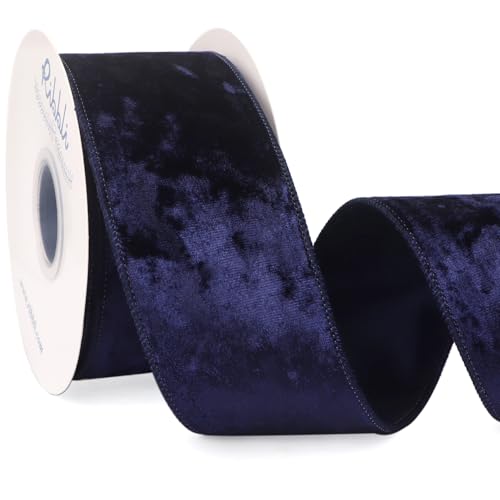
Here’s an easy technique for creating full, professional-looking ribbon accents: Cut your ribbon into 8-10-inch strips. Fold each strip in half and cinch the middle together with your fingers. Tuck these little ribbon “puffs” into the tree wherever you see gaps. They add texture, movement, and fullness without requiring any complicated bow-tying skills. Use both your blue velvet and white ribbons, distributing them evenly. You can also opt for pre-made bows and picks. Here are a few ideas to consider.
Step 7: Final Touches
Add your decorated topper, step back, and assess. Add a few more ribbon puffs or small ornaments anywhere that looks sparse. Don’t forget to check the tree from all angles, not just the front.
Beyond the Tree: Chinoiserie Throughout Your Home
The Mantel Home’s Focal Point
Your mantel offers prime real estate for showcasing Chinoiserie style. Start with an evergreen garland as your base. Tuck blue and white ornaments throughout the garland—a mix of ginger jar designs, porcelain balls, and snowflakes creates visual interest without overwhelming the greenery.
Here’s a technique I see used a lot at our Festival of Trees: fill a large vessel, in this case, blue and white ginger jars with fresh evergreen boughs, holly branches, or even simple white flowers. These substantial pieces anchor your display and immediately establish the Chinoiserie theme. If you have genuine ginger jars you use year-round, this is the perfect opportunity to incorporate them into your holiday decor.
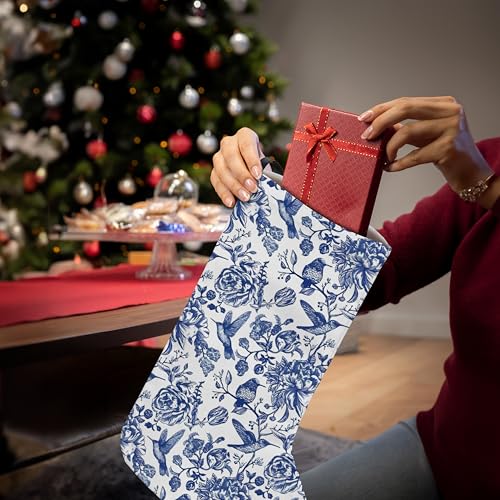
Hang blue and white stockings from the mantel. Look for stockings that are predominantly blue with white details—this provides nice contrast to the mostly white ornaments on your garland. White stockings with blue accents also work beautifully. And, if you want to go all in, I found a Chinoiserie beauty for you.
Create height variation with candles of different sizes. Arrange them in varying heights and consider placing some inside glass hurricanes or lanterns. Pair these with small white ceramic Christmas trees or blue and white miniature ginger jars.
For a finishing touch, consider using Chinoiserie-inspired wrapping paper as a backdrop on the wall behind your mantel, or prop a few wrapped boxes on the mantel itself to extend the blue and white theme vertically.
Creating a Chinoiserie Holiday Tablescape
Your dining table is where you’ll gather with family and friends throughout the season, so it deserves special attention.
Use blue and white plates as chargers beneath your regular dinner plates, or if you have a collection of blue and white china, this is its moment to shine. Don’t worry if your pieces don’t all match—mixed patterns in the same color family look intentionally eclectic and collected, never mismatched. The best part is that you can usually find these items at thrift or antique stores and estate sales for very reasonable prices.
For your centerpiece, arrange ginger jars of varying heights down the center of your table. Fill some with white flowers (roses, hydrangeas, or even simple carnations), evergreen sprigs, or leave them as sculptural elements on their own. Weave in white taper candles at different heights, some in simple candlesticks, others directly on the table runner.
Add Chinoiserie-patterned napkins, table runner, or tablecloth or you can back off a bit here and opt for solid blue napkins with white china, or consider blue and white ribbon tied around napkin rings or silverware bundles.
The key to a successful tablescape is creating a balanced composition with varied heights, grouped elements, and enough breathing room that the table doesn’t feel cluttered. Your guests need to see each other across the table, so keep central arrangements under 14 inches tall or create several lower arrangements rather than one tall centerpiece. I selected a few pieces to provide some inspiration.
Extending the Look to Every Room
In your entryway, welcome guests with a wreath that incorporates blue and white elements. You can purchase a pre-made Chinoiserie-style wreath or create your own by adding blue and white ornaments, ribbon, and perhaps even small ginger jar ornaments to a traditional evergreen wreath.
If you have a console table in your entry, group ginger jars of various sizes together as a vignette. Add a small tabletop tree decorated in your blue and white theme, or simply place a few Chinoiserie ornaments in a decorative bowl.
For windows, especially large ones, that are focal points in your home, hang garland across the top and add blue and white ornaments and ribbon, or place simple wreaths with a ribbon bow in the center of each windowpane. Adding some fairy lights to the wreaths creates a warm glow in your window for nighttime ambience.
Throughout your home, look for opportunities to add small touches such as blue and white throw pillow covers on your sofa (I keep extra pillow inserts on hand for seasonal swaps), small Chinoiserie candles on side tables, and ginger jars on bookshelves mixed with your regular decor. These thoughtful details create a cohesive environment that feels intentional without being overwhelming.
In my work, I’ve seen again and again how the environment we create affects the way people feel when they’re in our spaces. The same principle applies to your home during the holidays. When you create a cohesive, beautiful environment, your guests feel it the moment they walk through the door. They may not be able to articulate exactly what makes your home feel so special, but they’ll notice. They’ll feel welcomed, cared for, and comfortable.
Elegant Christmas on Any Budget
Let me address the elephant in the room: Chinoiserie pieces, especially authentic antique ones, can be expensive. But creating this look doesn’t require breaking the bank or taking out a second mortgage. Here’s how to achieve elegant Chinoiserie style at any price point.
Start with Statement Pieces
You don’t need dozens of ginger jars. Start with two or three quality pieces that you truly love. These could be authentic ceramic ginger jars that you’ll use year-round; you’re making them a home decor investment rather than just a Christmas expense. Place these where they’ll have the most impact: on your mantel, as a centerpiece, or flanking your entry.
Mix High and Low
Here’s a secret from creating numerous gift baskets for our Festival of Trees silent auction: people can’t tell which items are expensive and which are budget-friendly when they’re arranged together thoughtfully. Mix one or two genuine pieces with affordable reproductions. The overall effect is what matters, not the price tag on every single item.
DIY Chinoiserie Ornaments
If you’re crafty, you can create beautiful Chinoiserie-inspired ornaments yourself:
Painted Ornaments: Purchase plain white ball ornaments and use blue acrylic craft paint and a fine brush to add simple patterns. You don’t need to be an artist—geometric patterns, simple flowers, and basic brush strokes in the style of Chinoiserie designs create the right effect. Let them dry completely, then seal with a clear acrylic sealer.
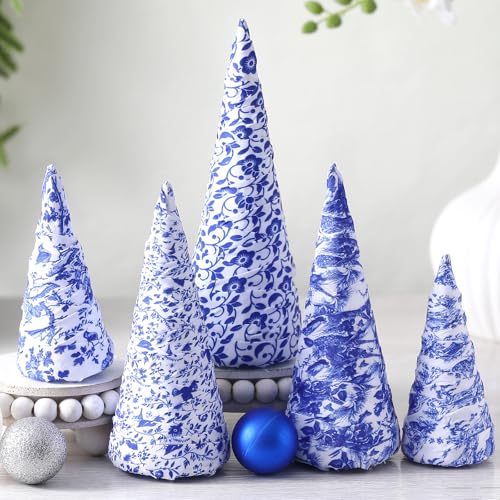
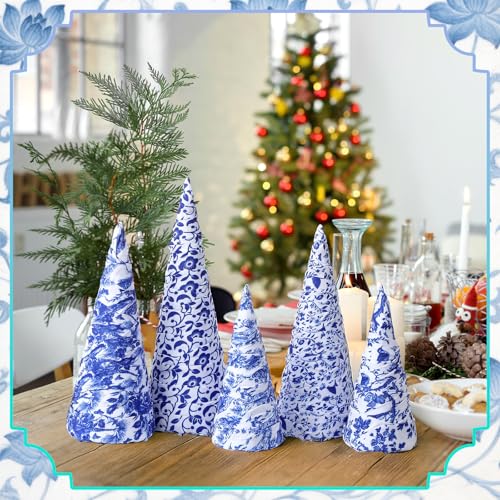
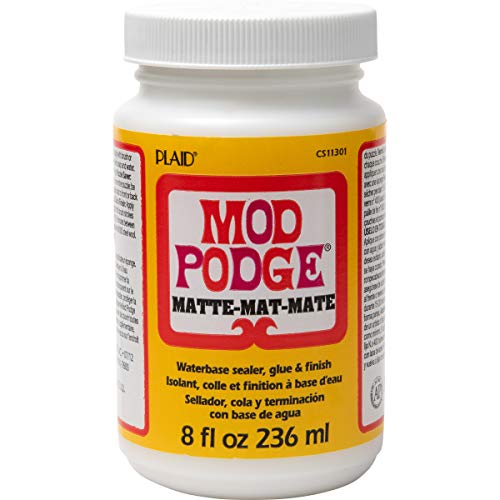
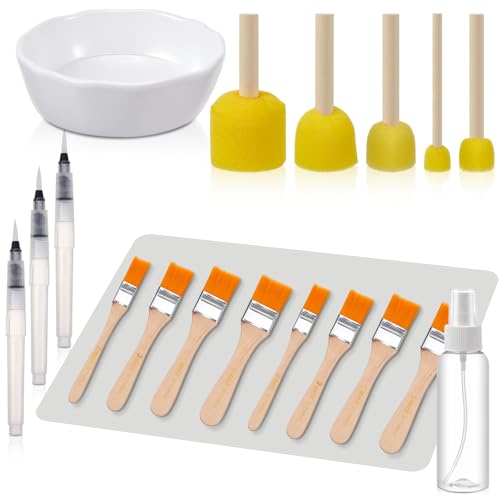
Decoupage Technique: This is my favorite DIY approach. Purchase Chinoiserie-patterned napkins or tissue paper. Use decoupage medium to apply the patterns to plain white ornaments or even items like wooden balls, papier-mâché shapes, or small glass vases. This technique also works beautifully on seashells—oyster shell ornaments with Chinoiserie patterns are stunning and unique. I rounded up some supplies you’ll need.
Repurpose What You Have: Look around your home. Do you have any blue and white dishes, vases, or decorative items that could be incorporated into your Christmas decor? A blue and white pitcher becomes a stunning vase for evergreen sprigs. Small blue bowls can hold ornaments on your coffee table. Any blue and white porcelain you already own can be part of your holiday display.
Shop Smart: When shopping for blue and white ornaments, remember that you’re looking for a color palette and general style, not exact matches. Snowflakes, icicles, and simple blue ball ornaments fill space beautifully and cost far less than specific Chinoiserie pieces. Let those affordable fillers make your few special pieces shine.
Look for sets of coordinating ornaments rather than individual pieces; the per-ornament cost is usually much lower. And consider that you can build this collection over several years. Start with one box of blue and white ornaments this year, add another next year, and gradually create the full look you’re envisioning.
Creating Impact with Less
This is where my gift basket expertise comes in handy. In creating auction baskets, I’ve learned that presentation elevates perceived value. The same principle applies to decorating. Here’s how to make fewer items look abundant:
- Group items in odd numbers (3, 5, 7) for more visual impact
- Use varying heights to create interest with fewer pieces
- Layer items in front of and behind each other for depth
- Use mirrors to reflect and double the visual impact of displays
- Focus your investment on one or two areas (like the tree and mantel) and keep other areas simpler
Pro tip: Keep small boxes, packing paper, and Styrofoam pieces that come in your package shipments to place into your basket to create the varying heights. Just don’t forget to cover with some material, a blanket, or beautiful tissue paper.
Remember, elegant design is often about restraint. You don’t need every surface covered. Strategic, thoughtful placement of your Chinoiserie pieces creates more impact than cluttering every space.
Blending Chinoiserie with Traditional Christmas
Maybe you love this blue and white aesthetic, but you also have boxes of treasured family ornaments collected over decades. Maybe your children made special ornaments in elementary school that must go on the tree. Perhaps your grandmother’s antique red glass balls hold too much meaning to pack away.
I understand completely. You would be either excitedly surprised or appalled at the number of sentimental ornaments and collections that I just can’t bear to part with. You don’t have to choose between honoring tradition and trying something new; just find a way to balance the two.
Finding the Right Balance
A good rule of thumb is a 60/40 or 70/30 ratio—60-70% blue and white Chinoiserie elements with 30-40% traditional colors. This gives you enough blue and white to establish it as your dominant theme while leaving room for those meaningful pieces.
Strategic Placement
Place your traditional ornaments intentionally. Instead of scattering them randomly throughout the tree, consider grouping them in a section or on particular branches. This creates a story: “This branch holds all of Emma’s handmade ornaments from her childhood,” or “These red vintage ornaments were my grandmother’s.” The grouping honors their significance while the rest of the tree maintains your new aesthetic.
Using Plaid as a Bridge
Plaid, striped, or gingham ribbon, particularly patterns that incorporate navy or royal blue along with traditional red and green, beautifully bridges the gap between Chinoiserie and classic Christmas. A tartan plaid ribbon woven through your tree alongside blue velvet ribbon creates cohesion between your blue and white ornaments and any traditional red or green pieces you’re including.
Yes, I know, I suggested breaking things up by using plaid, stripes, or gingham as a bridge, but I just could not help myself on that one ribbon selection, it is too beautiful not to have.
Separate Trees or Areas
If you have space, consider dedicating one tree to your full Chinoiserie vision and keeping a second tree (perhaps smaller, in a bedroom or family room) for all those traditional ornaments. Or, if you’re like me and have several trees, create a Chinoiserie tree as your main living room display and decorate each of your other trees with their own theme. Use a small tabletop tree in your child’s bedroom to display their handmade ornaments. Put a skinny pencil tree up in your kitchen with your grandmother’s ornaments. You can also consider rotating themes each year, using some of your collection one year and decorating them with another themed collection the following year, and so on.
Honoring the Past While Embracing the New
One of the most important things that I’ve learned in my years working with families who have a loved one with different abilities and having had a family member of my own, tradition and history matter, but tradition can also evolve, and history has its place. Adding new elements to your holiday celebrations doesn’t diminish the meaning of what came before (in the same way I would say that the services we offer to people, in no way, diminish everything the family has done before us). In fact, creating new traditions—like introducing Chinoiserie style to your Christmas decor—adds layers of richness to your family story. We can all use a little more richness and authenticity in our lives.
Your children or grandchildren might someday say, “Remember the year Mom started decorating with blue and white? I loved that.” The ornaments you collect now become the next generation’s treasured memories.
Caring for Your Chinoiserie Pieces
If you’re investing in Chinoiserie ornaments and decorative pieces, let’s make sure they last for decades. Consider your nicer pieces as heirloom pieces.
Storage Solutions
Porcelain and ceramic ornaments require more care than plastic, wood, or shatterproof options. Invest in ornament storage boxes with individual compartments. Wrap each special piece in acid-free tissue paper before placing it in its compartment. For particularly precious pieces, consider bubble wrap as well.
Store your ornament boxes in a climate-controlled area if possible. Extreme temperature fluctuations can cause damage over time, and humidity can affect any metallic accents on your ornaments.
Label your boxes clearly, “Christmas: Blue & White Ornaments” saves you from opening multiple boxes next year when you’re decorating. I also like to store my décor by the room it will in which it will be used.
Cleaning Your Pieces
For reproduction ornaments, gentle dusting with a soft cloth is usually sufficient. If they need more cleaning, slightly damp the cloth with water only—no cleaning products unless you’re certain they’re safe for the finish.
For authentic antique ginger jars or porcelain pieces, be more cautious. Dust gently with a soft, dry cloth. If you need to wash them, use lukewarm water and the mildest soap, then dry immediately and thoroughly. Never put antique porcelain in the dishwasher, and be cautious about sudden temperature changes, which can cause cracking.
Year-Round Display
Here’s the beautiful thing about Chinoiserie: it’s not just for Christmas. Your ginger jars, blue and white vases, and even some ornaments can be displayed throughout the year. Store only the obviously Christmas-specific items and keep your general Chinoiserie pieces out as part of your everyday decor. This maximizes your investment and means you’re enjoying these beautiful pieces for months, not just weeks.
Bringing It All Together
Creating a Chinoiserie blue and white Christmas is more than just changing your color scheme. It’s about bringing a sense of timeless elegance, serene beauty, and thoughtful design into your home during the most wonderful time of the year. It’s also an excellent conversation starter for your holiday gatherings.
The best holiday displays are the ones that feel authentic to you. They reflect your personal style, honor what matters to you, and create the atmosphere you want in your home.
If you’re drawn to sophisticated simplicity over busy abundance, if you love the calming effect of blue and white, if you appreciate the history and craftsmanship behind beautiful objects, then Chinoiserie Christmas style might be exactly what you’ve been looking for.
Start small if you’re hesitant. Add one blue and white element to your existing decor this year. Tuck a few ginger jar ornaments onto your traditional tree. Place one stunning blue and white vase on your mantel. See how it makes you feel. Notice whether your guests comment on it (they will).
Then next year, add a little more. Gradually build your collection. Let your Chinoiserie Christmas evolve naturally over time.
The magic of the holidays isn’t about perfection. It’s about creating moments of beauty, gathering with people we love, and making our homes feel like havens during the busy season. However you choose to decorate, do it with intention and joy.
I’d love to see how you incorporate Chinoiserie into your Christmas this year! Share your photos and tell me which ideas you’re trying first. Chinoiserie has so much depth of culture and beauty; your guests will be amazed at the unique beauty you bring into your home with this design.
And if you’re looking for more elegant entertaining and decorating ideas throughout the year, I invite you to subscribe to my newsletter. I share tips on creating a home where everyone feels welcomed, comfortable, and cared for—because that’s what hospitality is really about and when all is said and done, how we made others feel is what really matters.
Here’s to a Christmas filled with beauty, peace, and timeless elegance. May your home be filled with the pieces that bring you joy and the people you love.
Happy decorating!